Pages

Showing posts with label drawing. Show all posts

Sunday, 22 February 2015

History of Art: Greek and Hellenistic

"That brief but thorough empire-building campaign changed the world: It spread Greek ideas and culture from the Eastern Mediterranean to Asia. Historians call this era the "Hellenistic period"."


Greek and Hellenistic: 850 BCE - 31 BCE
Characteristics: Greek idealism: balance, perfect proportions; architectural orders (Doric, Ionic, Corinthian)
Chief Artists and Major Works: Parthenon, Myron, Phidias, Polykleitos, Praxiteles
Historical Events: Athens defeats Persia at Marathon (490 BCE); Peloponnesian Wars (431 BCE - 404 BCE); Alexander the Great's conquests (336 BCE - 323 BCE)

The world "Hellenistic" comes from the word Hellazein, which means "to speak Greek or idenity with the Greeks".

Between 334 and 323 BCE, Alexander the Great and his armies conquered much of the known world, creating one of the worlds biggest known empires that stretched from Greece and Asia Minor through Egypt and the Persian empire in the Near East to India. This contact with cultures around the world spread Greek culture and its arts, and exposed Greek artistic styles to a host of new and exotic influences.

The death of Alexander the Great in 323 BCE traditionally marks the beginning of the Hellenistic period.


Hellenistic Art is a richly diverse art period in subject matter and in stylistic development. It was essentially created during an age characterized by a strong sense of history. For the first time the Greeks had museums and great libraries. Examples of these include those at Alexandria and Pergamon. The artists of the Hellenistic period copied and adapted earlier styles and also made great innovations. The representations of the Greek Gods took on new forms. One famous example is the nude Aphrodite who reflects the increased secularization of traditional religion. Also prominent in Hellenistic art are the representations of Dionysos, the God of wine and legendary conqueror of the East, as well as those of Hermes, the god of commerce. In strikingly tender depictions, Eros, the Greek personification of love, is portrayed as a young child.


Because of the new international Hellenistic milieu, there was a widened range of subject matter that had little precedent in earlier Greek art. There were now representations of unorthodox subjects such as grotesques, and of more conventional inhabitants, such as children and elderly people. These images, as well as the portraits of ethnic people, especially those of Africans, describe a diverse Hellenistic populace that Alexander the Great created.

Hellenistic Greece became a time of substantial maturity of the sciences. In geometry, Euclid's elements became the standard all the way up to the 20th Century, and the work of Archimedes on mathematics along with his practical inventions became influential and legendary. Eratosthenes calculated the circumference of the earth within 1500 miles by simultaneously measuring the shadow of two vertical sticks placed one in Alexandria and one in Syene. The fact that the earth was a sphere was common knowledge in the Hellenistic world. This precision was also evident in art within the Hellenistic period with exact proportions of the human form.

"Alexander's empire broke apart on his death, with several Hellenistic (Greek-like( kingdoms appearing. The great art centers of the mainland gave way to cities on Islands such as Rhodes or in the eastern Mediterranean (Alexandria, Antioch, and Pergamum).

Sculpture had tendencies toward classicism, rococo, and baroque -- in other words, no clear direstion or restriction. Art glorified the gods and great athletes, but it also serves to decorate the homes of the newly rich.

Heroic portraits and massive groups were popular, but so were humble themes and portrayals of human beings in all walks and stages of life—even caricature became popular. From architecture came an awareness of space that added landscapes and interiors to sculpture and painting. 
Whereas Hellenic art was restrained and attempted to show the perfect and the universal, Hellenistic art was preoccupied with the particular rather than the universal. Patrons and artists alike preferred individuality, novelty (including ethnicity and ugliness), and artistic inventiveness. Hellenistic art built on the classical concepts, but became more dramatic, with sweeping lines and strong contrasts of light, shadow, and emotion. 
Idealism gave way to naturalism, the culmination of the works of fourth-century b.c.e. sculptors Lysippos, Skopas, and Praxiteles, all of whom emphasized realistic expression of the human figure. Greatness and humility, characteristic of the Charioteer of Delphi, gave way to bold expression during tense moments, typified by the Boy Jockey.
Unlike Hellenic art, sculptures showed extreme emotion: pain, stress, anger, despair, or fear, but depiction of the outward subject was insufficient for many Hellenistic sculptors. Posture and physical characteristics were used to show thoughts, feelings, and attitudes. 
Hygeia, of which only the head remains, is a statue that reflects the Hellenistic style. Although done in conformance to classical standards and ideals, Hygeia has an expression of concern and understanding."

There was also more and more art collectors who commissioned original works of art and copies of earlier Greek statues. Likewise, increasingly affluent consumers were eager to enhance their private homes and gardens with luxury goods such as fine bronze statues and statuettes, intricately carved furniature decorated with bronze fittings, stone sculptures and elaborate pottery with mold-made decoration. These items, that were considered as lavish and known to be only in high society, were manufactured on a grand scale as never before.


The keenest of collectors were the Romans who decorated their town houses and country villas with the Greek sculptures according to their interests and tastes. The wall paintings from the villa at Boscoreale, some of which clearly echo lost Hellenistic Macdonian royal paintings, and exquisite bronzes in the Metropolitan Museum's collection testify to the refined classical environment that the Roman aristocracy cultivated in their homes. By the first century BCE, Rome was a center of Hellenistic art production, and many Greek artists came there to work.

The conventional end of the Hellenistic period is 31 BCE, the date of the battle of Actium. Octavian, who later became the emperor Augustus, defeated Marc Antony's fleet and, consequently, ended Ptolemaic rule. The Ptolemies were the last Hellenistic dynasty to fall to Rome.

Interest in Greek art and culture remained strong during the Roman Imperial period, and especially so during the reigns of the emperors Augustus (r. 27 BCE - 14 CE) and Hadrian (r. 117 CE - 138 CE). For centuries, Roman artists continued to make works of art in the Hellenistic tradition.

Sources:
www.infoplease.com
www.visual-arts-cork.com
www.history.com
earlyworldhistory.blogspot.co.uk
ancient-greece.org
www.google.co.uk

Up Next: Roman Art

Sunday, 3 August 2014

Progression

I am never one to boast when I have finished a piece of art but I am proud I have finished this one, so I decided to share it with the world.

A bit of background story (not that any Directioners need it):Louis Tomlinson, Zayn Malik, Niall Horan, Liam Payne, and of course, Harry Styles. These boys make up the famous group English-Irish pop group otherwise known as One Direction.
Turn back the clock to July 2010 and auditions for the UK's X Factor were underway. Five young boys from various parts of the UK and Ireland had entered the competition with nothing else but a passion for singing and raw talent. Their names were Niall (from Westmeath, Ireland), Zayn (from Bradford), Liam (from Wolverhampton), Harry (from Cheshire) and Louis (from Doncaster) and they had all entered as solo artists. Arriving to their individual auditions, they were given the chance of impressing the judges. And they did. But just not quite how they imagined. It was during the Bootcamp round of the competition that Simon Cowell, Nicole Scherzinger and Louis Walsh had to give the boys the bad news that they hadn't made it through as solo artists. They were devastated, but they were offered a suggestion. The judges wanted them t form a group; to learn to sing as a five-piece rather than individuals. The boys jumped at the chance and One Direction was born.

Zayn says, “I didn’t think I would ever want to be in a group. But when I was there and it was happening, and I knew the lads a bit, there was no way I was going to say ‘no’. We’ve all got quite different sounding voices and our own individual style, so we can play up to that and play to each of our strengths.“

Louis adds with sincerity, “To start off with it was difficult because we all had our egos and we wanted to get ourselves across in the group. It was tough. Now, we’re literally like five best friends.” 

Fast forward four months and the boys were impressing an average of 16 million viewers with their performances each weekend. They sang world-famous tracks like Kim Wilde’s Kids In America, Kelly Clarkson’s My Life Would Suck Without You and Snow Patrol’s Chasing Cars – they confidence rocketed and the country kept on voting for them to stay in the competition. 

It was clear the UK were falling in love with the band. In the final, the boys were given the opportunity to perform with multi-million-selling artist Robbie Williams. He backed their bid to win and wished the awe-struck boys the best. On 12 December 2010, One Direction were crowned the third place winners of The X Factor 2010 - and although they hadn’t come first, it was clear they had already attracted a huge fan base. In the run up to their win, hundreds of girls would wait outside the TV studios in London just to get a glimpse of their favourite new group and they were already receiving sack-loads of fan mail. There was no way this new group could be ignored. 

The boys, however, kept their feet on the ground. They hadn’t won the series and didn’t know if they could find the support to keep making music – although by now, disbanding was not an option, they had come so far and were great friends. Louis explains, “We came from nothing, and had no experience as a group at all. By the time we came to the end of the show, we were a completely different group. We worked so hard, and achieved so much. We also became really close mates – we’re just all so grateful that we got along so well from the start.”


It was just after Christmas that the boys got a call from Simon Cowell, who asked them to attend a meeting at Syco Records head offices in London to discuss their future. On that day, he delivered to them some good news - he would sign them to Syco, they had a record deal! Harry says: “Simon Cowell was telling you your life was about to change! It was weird. I feel incredibly lucky to have the life I do.” The group immediately went on tour, playing two months of shows on the X Factor Live Tour. They travelled across the UK and Ireland meeting fans as they went, playing to thousands of people every night. In that time, they even managed to put together a book about their experiences so far – Forever Young – it even made the best-sellers lists. These five boys were certainly not afraid to work for their success.

And it was after the tour and the book publication that One Direction made it into the studio to work on their first album. It was already Spring and they could not wait to start recording. It turned out, there were quite a few big producers and writers who wanted the chance to work with One Direction – and it was only when they hit the studio, did they realise just how ‘big’ these names were! The began writing with the likes of Rami Yacoub (Britney Spears, Backstreet Boys and Bon Jovi) and legendary producers such as Steve Mac (who has worked with JLS, Leona Lewis and Westlife). Even Red One (Lady Gaga, Jennifer Lopez and Sean Kingston) also became involved. Niall humbly explains, “These guys are amazing. Basically, name one of the biggest hits of the past ten years, and the guys we worked with will be behind them. To even meet them was incredible. To work with them was even better!”

The group put together an album of thirteen tracks, which they later named Up All Night. And by Autumn 2011, it was ready for release. “I want people to listen to it and say, ‘Wow, is that One Direction?’. It’s not too cheesy - I think it’s the kind of album that guys will like as well as girls,” Louis revealed at the time.
One Direction’s debut single, What Makes You Beautiful (Rami Yacoub, Carl Falk, Savan Kotecha), was released on 11 September 2011 in the UK – but remarkably, it was breaking records before it even went on sale. It became the biggest pre-order in Sony’s single history and went in at number one in the UK and Irish charts as soon as it was on iTunes. The boys cemented their success by selling a staggering 153,000 in their first week of release, with the fun California-shot video providing the perfect backdrop to one of the summer’s biggest tracks.  Zayn says, “To think we’ve sold the most number of pre-orders when you know some of the artists who have released records through Sony is incredible! We can’t believe it. It’s the most amazing thing.”

In December, the boys headed off on the sold out Up All Night tour which saw them play over 60 dates across the UK and Ireland.“The best thing about being in 1D is that you get to travel around with four of your best friends,” notes Harry. “We’re having real fun, doing what we love to do. It’s brilliant and I never want it to change.” February 2012 saw the boys win their first BRIT Award for Best Single at the famous award ceremony in London. And with their successes growing, it was time to take the 1D family abroad.

While the UK applauded the boys success, the news came that they had been offered a record deal in America – they were to sign to Columbia Records. The deal was made and in February 2012, Niall, Zayn, Liam, Harry and Louis went out to America to promote their debut single.

They began a gruelling tour of the States, visiting radio stations and fans wherever they could and playing on world-renowned TV shows like The Today Show and Saturday Night Live. And their hard work paid off –‘What Makes You Beautiful’ debuted at No.28 on the Billboard Hot 100, becoming the highest entry for a British group’s debut single since the Spice Girls ‘Wannabe’ in 1997.


As One Direction continued on their travels, so the 1D Mania grew and the phenomenon gathered meteoric pace. Fans would line the streets outside studios, hotels and malls, hoping to meet their idols.

In March 2012, the news came that Up All Night had entered the US Billboard 200 chart at number one – making music history as the first UK group to debut at No.1 with the debut album.

The boys had done it, they’d officially cracked America! It wasn’t just America either – Up All Night had gone to number one in 15 different countries across the world including Australia, New Zealand, Canada, Sweden and Mexico. 

The group celebrated this astounding achievement by announcing they would play a headline show at the incredible Madison Square Garden in New York in December – a venue that has played host to the likes of Michael Jackson, Elton John, The Foo Fighters, Madonna and The Rolling Stones. “We actually can’t believe we got a number one album in America,” Harry laughs. “We’re just teenage boys, how did that happen? And now we get to play some of the most incredible venues in the world. We’re so lucky.”

April saw One Direction pick up two Nickelodeon Kids’ Choice awards in LA, where they performed on stage alongside the likes of Katy Perry and Justin Bieber and in front of the First Lady of the United States, Michelle Obama. Their success was unprecedented and they now even had a celebrity following with the likes of Joe Jonas, Selena Gomez and Taylor Swift speaking out about how much they adored these five boys from over the pond. “That was one of the most surreal days ever,” Liam revealed at the time. “Will Smith, Taylor Swift, Justin Bieber, Michelle Obama - wow what it going on with my life!”
In celebration, they took their Up All Night tour to Australia and New Zealand. And it was from there that they announced that they will be going on an arena tour around North America this summer and then again in 2013 as part of their World Tour. Niall smiles, “We’re very lucky lads. And we can’t wait to tour North America in the summer. And I’m so proud to be flying the flag for Ireland.”
Contemplating their whirlwind rise to fame and their amazing success, Liam smiles, “It’s amazing to think back to when we were first put together - and to the point we are at now. Things have moved so quickly, it’s got all of us in a massive state of shock. It’s so surreal to think of everything - like wining the BRIT, doing our first UK tour, having our first number one. I can’t believe all of this has happened to us five lucky guys. We love our fans and owe all our success entirely to them – we want them to know that.”
“And not only have I had a lot of fun making music and working in the music industry but I’ve made the four best mates and four brothers that I’d always wanted. I couldn’t ask to work with four nicer guys and I’m very proud to be in One Direction.”
Propelled to international success by social media, One Direction's three albums Up All Night, Take Me Home, and Midnight Memories broke records, topped charts in most major markets and generated hit singles including "What Makes You Beautiful", "Live While We're Young" and "Story of My Life".

So far One Direction have achieved; 

61 album and single no.1's worldwide

The last album, Take Me Home, was no.1 in 37 countries

Their debut album, Up All Night, became no.1 in 17 countries

The only UK band to have their first 2 albums debut at 1 in US

The first British band since The Beatles to have 2 no.1 albums in the same year in the US

Winners of 2 Brit Awards in 2012 for Best British Single and 2013 for Global Success Award

Awarded 3 MTV VMA's and 3 MTV EMA's


Received NRJ award for Best International Group

Won 3 Billboard Music Awards for Top Duo/Group, Top New Artist, Top Pop Artist

2 x Sunday times bestselling books

A sold out 2013 UK Arena tour

Over 18.5 million Facebook fans and 71 million combined followers on Twitter
The final original drawing of One Direction. Copies to be sold soon. Follow me on Instagram (@lottiemoox) for more drawings!

Tuesday, 8 July 2014

Photo vs Life

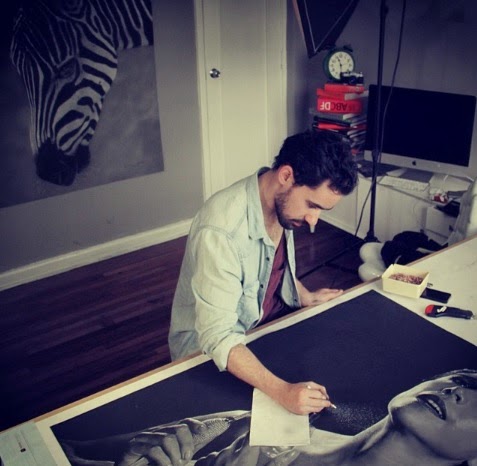
There are artists who sit in studios and use reference photos and then there are artists who sit outside and paint the world in front of them
Real vs Gaming

I personally use reference photos to draw from as I have had many times where I have simply been too slow and careful with my work that my subject or scene has simply gone. For example sunsets disappear so quickly that you cannot capture the true beauty of it if you are a slow artist, just like me.

Ricardo Garduno draws from reference photos
With reference photos you can also easily draw grids to check things such as positioning and proportion. I draw lots of people such as actors and singers (my most recent piece is on One Direction) and to get the proportion of the faces, the position of the eyes, lips and nose just right, I use a grid. Not everyone likes using a grid though as some people draw it on too hard and then cannot get rid of the evidence when they complete the drawing itself. Some people also struggle with grids and photos compared to painting or drawing from life because they cannot see the 3D of the world in a photo. Artists sometimes prefer to sit outside the same time repeatedly till they compete a painting or a drawing of a landscape or even a person.
Rob Pointon paints from real life

Life can be difficult though, unless you are a quick artist. The world moves so quickly and yet so slowly that the moment can be gone within seconds. Doing art from life however can also have its benefits as you can compare the piece of art to the real thing or even get the correct colour by simply comparing it there and then. Doing art from life also gives artists the opportunities to show of their work and their process of their art as almost free advertising.

There are four types of artists in the world. Ones that like to draw from pictures. Ones that like to draw from real life. Ones that like to draw free hand or from memory. And ones who really don't care.

Tuesday, 1 July 2014

True Art?

What is the real definition of true art?
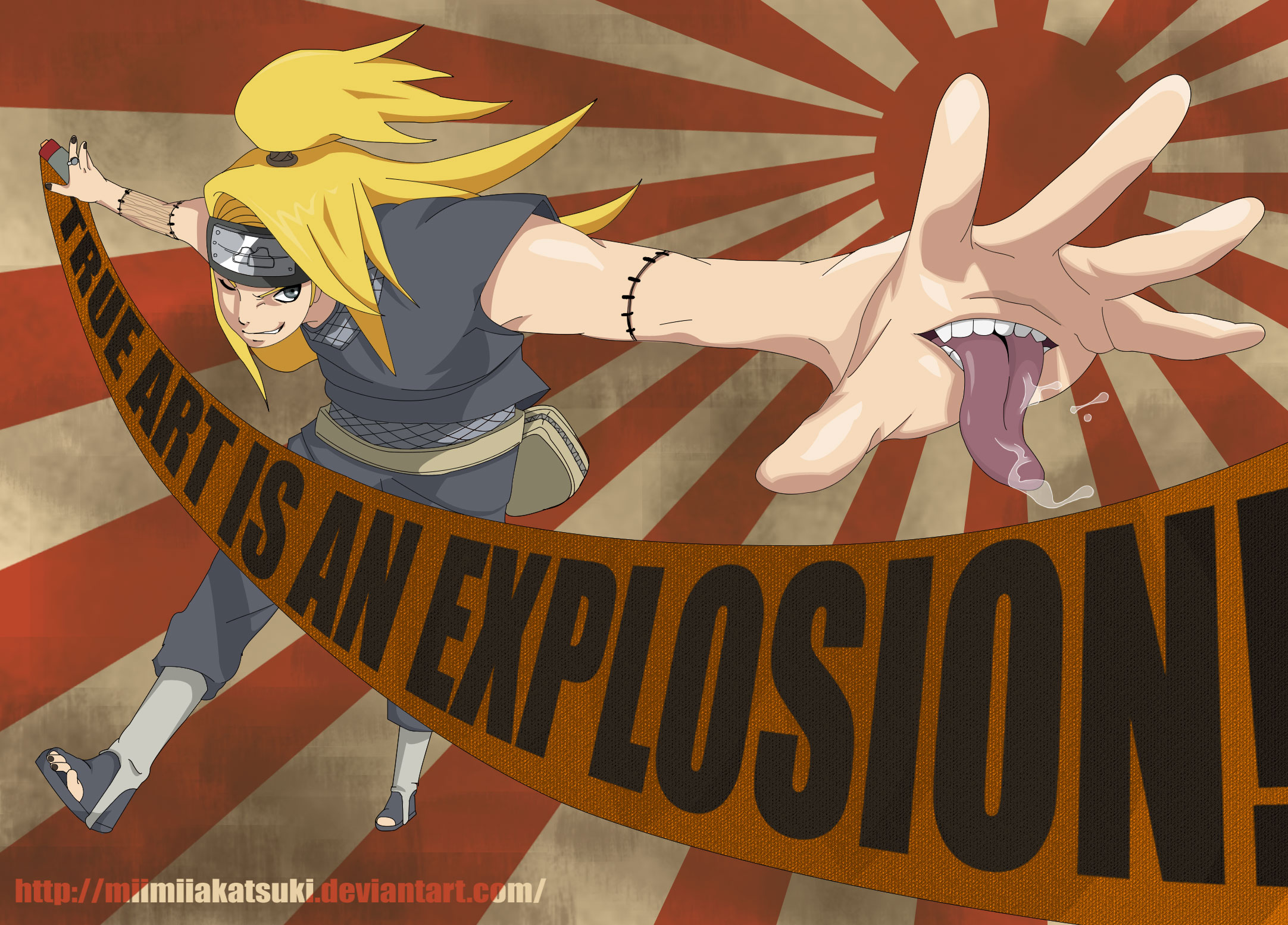
What is true art? Can it be described as an explosion?

There are thousands upon millions of definitions of what true art is, but it really depends on the person you talk to.
Is this true art?

There are also many different types of art which include everything from drawing and fine art to dance and music. Art is a general term for a way to release our emotions in a unique and interesting way. People within the world can specialize in one or more of these expressive arts at different or perhaps at the same time - some artists sing while they draw or paint and some dancers are able to perform drama in their dances. 

True art - "First of all, true art means producing art that is formed by its context and traditions. Good art shows an awareness of artistic traditions. There is always an element of inter-textuality in art - the appropriation and re-appropriation of other artistic artifacts and techniques. Art is an ongoing conversation. True are is aware of that conversation and therefore able to engage meaningfully in that conversation. True are, therefore, cannot be conducted in isolation from the wider culture. We may sometimes speak from the margins, but we cannot speak from the ghetto." - True Art Defined
My own art: A Copy

Personally, the definition of true art, and art itself is "the expression of human emotions through a variety of media" because that is simply the broad term for art. Any way you express your emotions, you can be showing art. For me, true art also has a background story; every single piece of art be that music, photos or a painting, when it had a background story not only does it make the art piece a lot more interesting but it adds value if people know about the story and if it is a good one too.

However there is also another side of art where you are simply copying photos and other drawings or paintings. Some people believe that this is not true art because it does not express emotion or anything else because it is simply a copy, but, and this is a big but, every single piece of art tells its own story even if it is a copy. It is a copy with a new background story, a copy that is technically a new piece because it is its own.
A copy is an original.

What are your definitions of true art?

Monday, 30 June 2014

It screams "BUY ME"

Giovanni Civardi - Drawing: A Complete Guide

I only picked this book up days ago and straight away I fell in love with it. Drawing: A Complete Guide is the book for all artists be you new or old, inexperienced or a professional. For only £9.99, this 440 page book will give you tips, ideas and help on everything to do with drawing.

This book first popped out at me in my local Hobbycraft store. Here it had the top ten books of 2014, which is where this book was. Opening it up it was pure artistic heaven with a helping hand on everything to do with drawing- this book literally screamed out "BUY ME!"
Work in progress: One Direction

Have you ever wondered how to draw using light and shade or perhaps how to draw different landscapes, seascapes and buildings? Then this is the book for you. It includes all that and more for your own small guide on how to draw pretty much anything.
"This is an essential book for anyone learning to draw, or wishing to improve their drawing. Starting with the basics of drawing techniques, Civardi gives expert advice on drawing portraits, the clothed figure, hands and feet and scenery, with sections on the importance of light and shade and on the nude. Civardi's technical advice and practical tips, accompanied by his own outstanding drawings, make this an invaluable resource for any artist."

My best friend in the art world:
Derwent Graphic Pencils
So I say, go out and buy this book to help improve your skills, start your skills off or just to get some amazing tips on drawing techniques for all sorts of drawings!
Buy here at Hobbycraft or Amazon

Tuesday, 8 April 2014

Why would anyone become an Artist?

I have been asked many times why I do art and so I have decided to share it with the world...

I have been doing art for as long as I can remember- my mum tells me that she put a pencil in my hand and a piece of paper in front of me even before I could properly walk (I was walking decently after many other kids).

I cannot remember many years of my quite short life (I'm coming up to 16 and I don't think I want to remember most of it), but now I am doing my GCSEs and art has been my centre of attention. Especially as my exam is coming up on the 24th of April!

Anyway, back to why I do art.
I do art because I love drawing and it makes me calm, relaxed and happy. When other people see my art they usually love it (which sometimes I cannot understand), and so this makes me even happier because I love to get people smiling and joyful. People share their happiness and so when my artwork makes them smile and at least act happy, that happiness spreads and it warms up my heart.

Why would anyone become an Artist? Well, because they love doing art! "An understanding of drawing can be seen at the core of..." [Rob Pointon] most art masterpieces. Inspiration to do art is also highly recommended and valued (especially at GCSE level!). Finding a good inspiration is acceptable, however finding a great inspiration is vital to carry on pursuing a successful art career, even if you are just doing it at GCSE or A level.

Some of my inspirations:
Rob Pointon
Ricardo Garduno
Vincent Van Gogh
and of course good old Google

What's your story with art?

Friday, 4 April 2014

5 Quick Tips About Pencils

Everyone seems to know something or other about art, so I devised my top 5 tips to get a great drawing...

These are based on the drawings of people, however these tips can be used generally for drawing too...

http://instagram.com/lottiemoox


1. Light to dark

First things first, always start with the lightest areas first. Most artists  find that not only does it make sense, but it makes your life easier to go from lighter to darker tones when drawing.
This is best as you can make adjustments as you go along without damaging the surface of your paper or creating ugly smudges where you've erased inaccurate lines.
Light from dark also means the building up of layers...


Ramirez Ricardo Garduno
http://www.ricardogarduno.com/RicardoGarduno/

2. Layers!

Don't press down hard straight away...
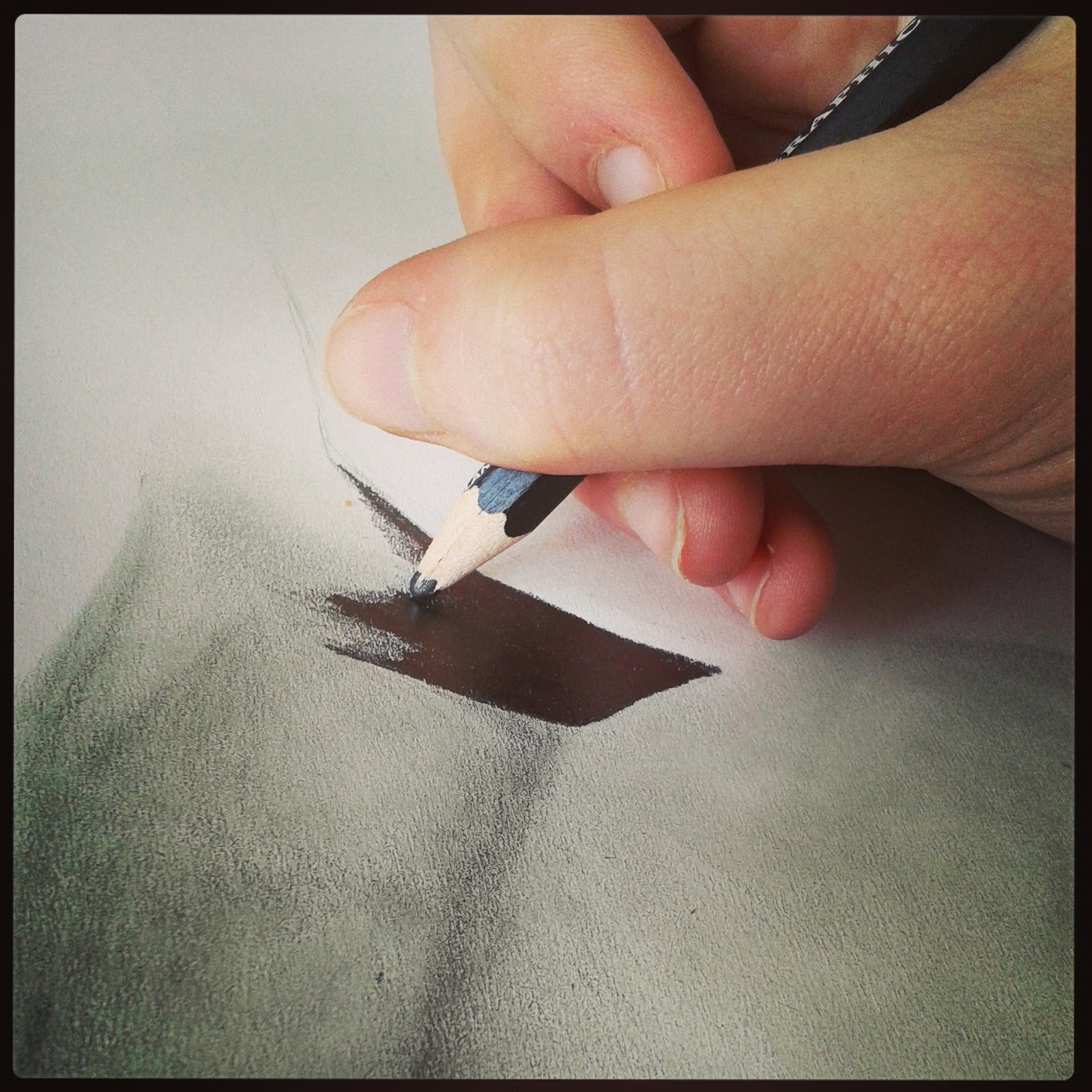
I find when people start drawing, they will press down on the paper with force to create darker tones. DO NOT DO THIS! Even if you know what you are doing, build up the layers to create darker and darker shades.
The building up of layers can also add more character to the drawing than perhaps originally intended.
For darker tones use a 6B, 5B, 4B, 3B, 2B and perhaps even a B pencil. Personally, I have not used anything more than a 6B pencil, but I found these brilliant for creating darker tones.
For a more mechanical and detailed drawing, use the H pencils which have a harder lead to give a more crisp drawing.

www.google.co.uk/images

3. Light

Getting lighting right is always tricky...
It may be easy when you have a photo in front of you to copy from, but you can get rather stuck when you're on your own.
Top tip with light: Always know which direction it is coming from! A nightmare would be shading that doesn't make sense.
If you get really stuck, look at someone near you to get the rough shading of the face.

Vitruvian Man
Leonardo Da Vinci


4. Draw guidelines and construction lines

Your drawing may start off looking like a bunch of lines and circles, however some drawings, especially the human face and animals, need guidelines.
I wouldn't tell you to use guidelines and construction lines unless I use them; I can personally say that they are brilliant and have been a life saver on more than one occasion.
Do these  guidelines very, very lightly because then they are easy to rub out, of even shade over later. Doing guidelines and construction lines darker will leave marks in the final drawing and would definitely cause your drawing to look a little strange.


Something I love
Imagine Dragons

5. Draw something that you love

When you draw something you love, you will always feel better about it because you loved it before you drew it. Try drawing it repeatedly and in different ways. If you do many different drawings of the same subject in different poses and arrangements, you will see a lot of improvement and fast.
Each time you draw it, you'll notice something new. The proportions will get better over time, you'll get the shading more accurate and you'll lay it out better.
Try it in different mediums too; don't just use sketching pencils. Try coloured pencils, pens, coloured pens, watercolours, acrylic paint, oil paint, or maybe even oil pastels.